• Herat

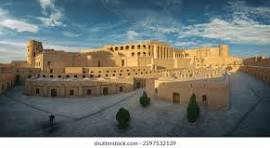
    Herat

    Herat is one of Afghanistan’s ancient and important cities, located in the western part of the country near the Iranian border. With a history that spans thousands of years, Herat has long been a center of culture, literature, and art. The city is home to many historic sites, such as the Great Mosque of Herat, the Musalla Minarets, and the Citadel of Ikhtiyaruddin. During the Timurid era, Herat was one of the leading centers of knowledge and culture in the Islamic world.

    Today, Herat is considered one of Afghanistan’s major and more developed cities. Its economy is largely based on trade, agriculture, and traditional crafts such as carpet weaving. The population is predominantly Persian-speaking, and the city’s rich cultural heritage has earned it the nickname “the cultural capital of Afghanistan.” Despite ongoing political and security challenges, the people of Herat continue to work toward preserving their cultural identity and developing their city.
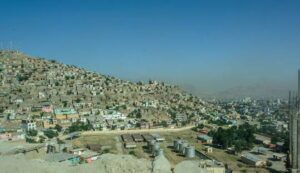
  • Kabul

    Kabul, the capital of Afghanistan, is one of the oldest cities in the region, with a rich history and layered culture. Nestled in a valley surrounded by the Hindu Kush mountains, the city has long served as a crossroads for trade routes linking Central Asia, South Asia, and the Middle East. Despite wars and political turmoil, Kabul remains a central hub for Afghanistan’s historical, cultural, and political identity, and continues to be the country’s administrative, economic, and educational heart.

    Life in Kabul is a blend of tradition and modernity. Alongside traditional bazaars, historic mosques, and old neighborhoods, modern buildings, universities, and new shopping centers can also be found. The city’s population is diverse, with various ethnic groups such as Pashtuns, Tajiks, Hazaras, and others living together. Despite numerous challenges, the people of Kabul show resilience and hope, striving to improve their lives and create a more vibrant and dynamic city.